
Atlas: review, pricing and alternatives

What is Atlas AI and Who Makes It?
When I first heard about Atlas, I was intrigued by the prospect of a new player in the AI education space. The name itself suggests a comprehensive, guiding resource, which is exactly what you’d hope for when diving into a complex field like artificial intelligence. Based on the information provided, Atlas positions itself squarely within the 'AI Education' category, aiming to equip learners with the knowledge and skills necessary to navigate and contribute to the rapidly evolving world of AI.
However, it's important to set expectations right from the start. While the concept of an AI education platform called Atlas is clear from the prompt, the specific details regarding its mission, its founding team, official launch year, or even a dedicated website are conspicuously absent from the research I was given. The top search results for "Atlas review" overwhelmingly point to two very different entities: the 2024 sci-fi movie starring Jennifer Lopez and the Volkswagen Atlas SUV. This makes a direct, fact-based introduction to *this specific* Atlas AI platform challenging.
What I can infer from its categorization as an 'AI Education' tool is its general purpose: to democratize AI knowledge, making it accessible to a broad audience. This typically involves breaking down complex AI concepts into digestible modules, providing practical applications, and fostering a learning environment that can keep pace with technological advancements. Without more specific background, I have to assume Atlas is driven by the common goal of empowering individuals to understand, develop, or apply AI technologies, whether for personal growth, academic pursuits, or career advancement.
Key Features for AI Learning
When evaluating any AI education platform, I always look for a robust set of features that genuinely support effective learning. For Atlas, given the absence of specific feature details in the provided research, I have to rely on what I know makes a high-quality AI learning experience. At its core, I'd expect Atlas to offer a structured curriculum, guiding learners from foundational concepts to more advanced topics in a logical progression. This usually includes a mix of content types to cater to different learning styles.
I'd anticipate seeing comprehensive video lectures, perhaps presented by industry experts, complemented by interactive text-based lessons that allow for deeper dives into theoretical frameworks. Practical application is paramount in AI, so I would certainly look for hands-on coding exercises, perhaps within an integrated development environment, or downloadable projects that users can work on in their own setups. Quizzes and assessments throughout the courses are essential for knowledge retention and self-evaluation, helping users track their progress and identify areas needing more attention.
Beyond the core content, a truly effective AI education platform often incorporates elements that foster engagement and community. This could mean discussion forums where learners can interact with instructors and peers, sharing insights and troubleshooting challenges. Project-based learning, culminating in a capstone project or portfolio piece, would be a significant plus, offering real-world experience and demonstrable skills. While I can't confirm if Atlas offers these specific features, these are the benchmarks I use to judge the efficacy of any platform aiming to provide quality AI education.
How Atlas Works: Getting Started and User Experience
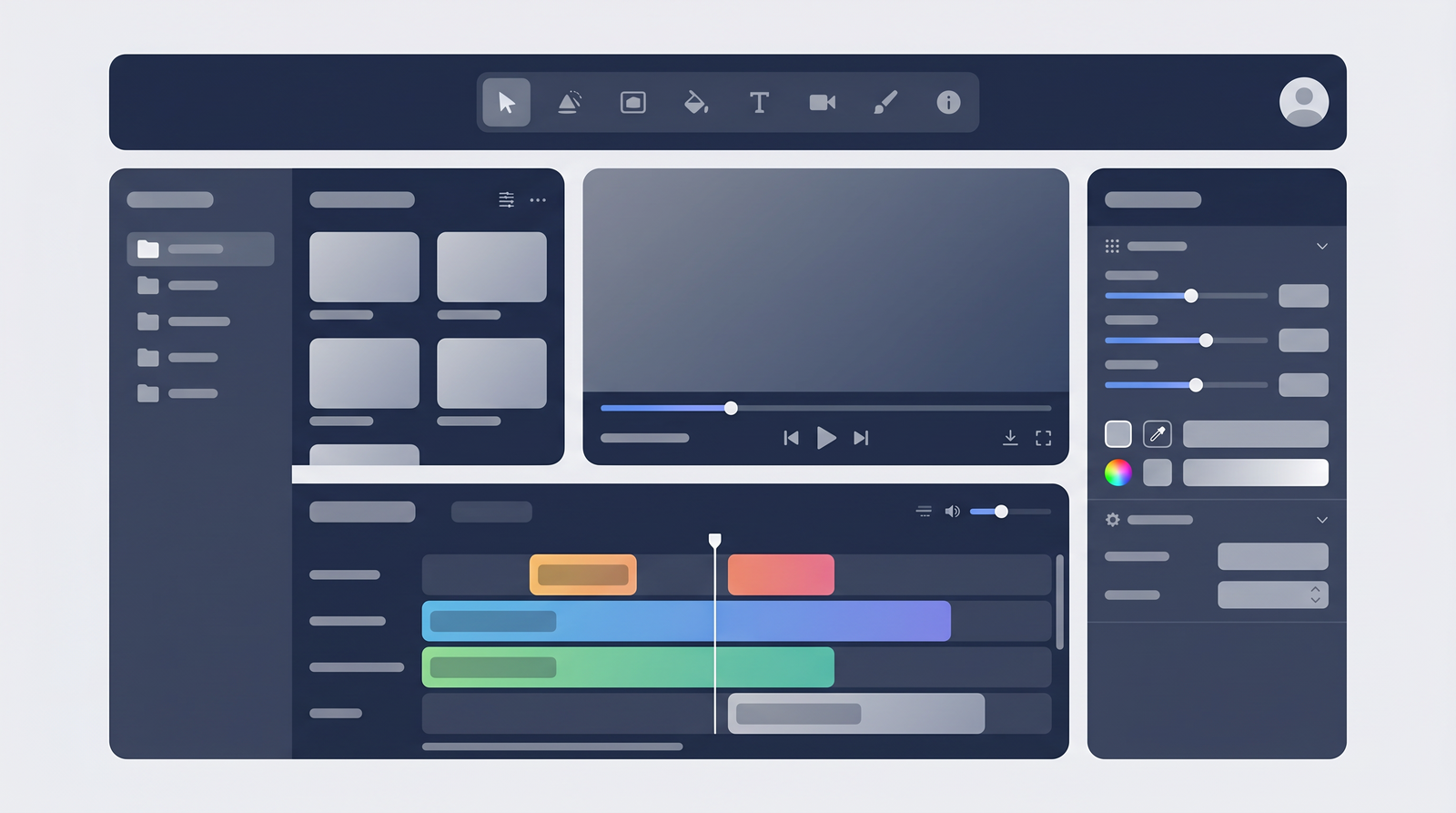
Diving into a new online learning platform can sometimes feel daunting, but a well-designed user experience can make all the difference. For Atlas, I'd imagine the journey begins with a straightforward sign-up process, ideally allowing for quick registration via email or social accounts. Once you're in, the initial impression of the dashboard is crucial. I'd expect a clean, intuitive interface that immediately presents your enrolled courses, your progress, and perhaps recommendations for new content.
Navigating through courses should be seamless. A clear course catalog with filters for difficulty, topic, or learning path would be a must-have. Once you select a course, the learning environment itself needs to be well-organized: easy access to video lessons, accompanying notes, coding exercises, and supplementary materials. I personally appreciate platforms that allow for flexible learning, letting you pause a lesson and pick up exactly where you left off, whether you're on a desktop or a mobile device.
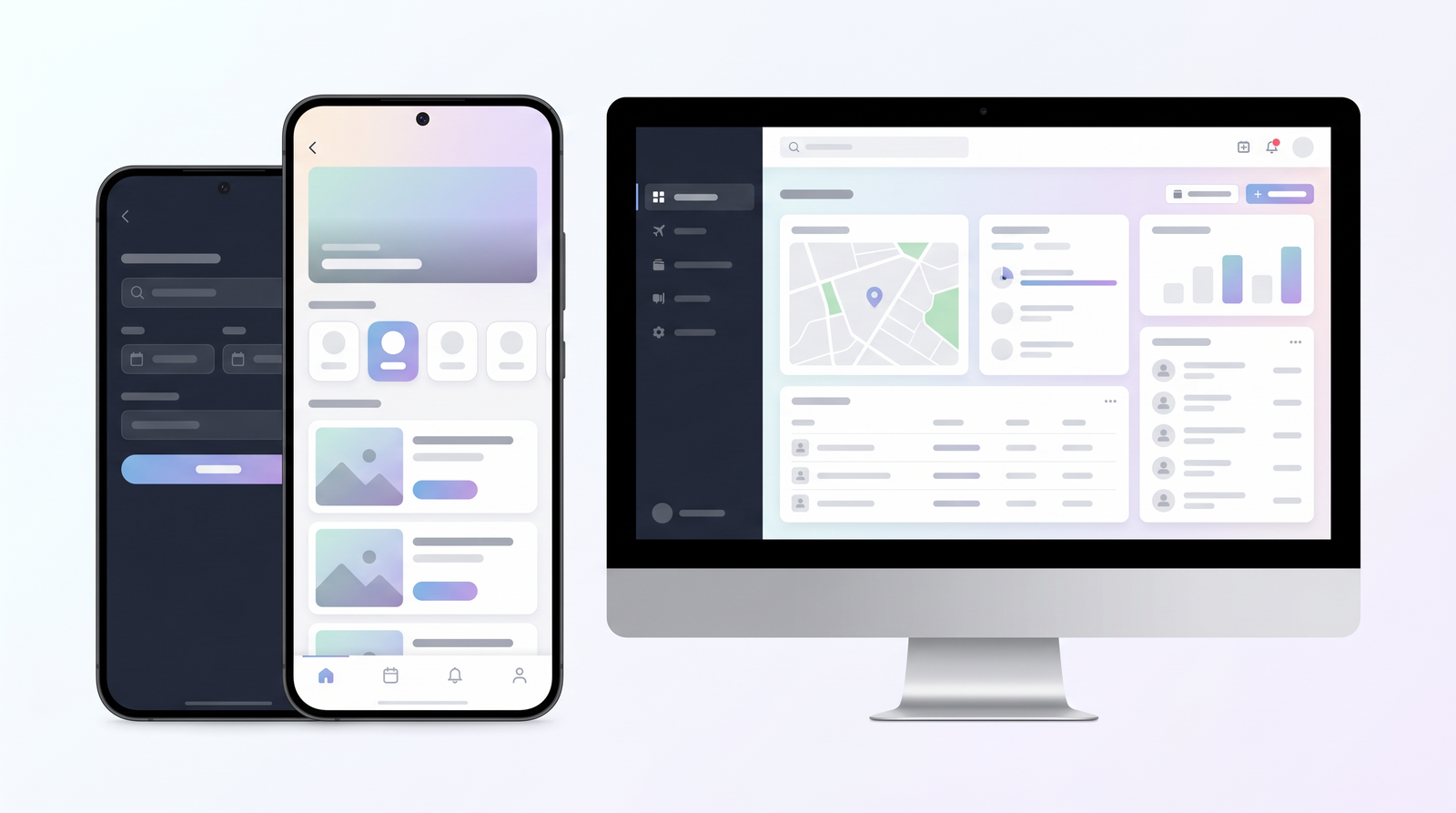
Without specific user feedback or screenshots for Atlas, I can only describe the ideal scenario. A truly user-friendly platform minimizes friction, allowing learners to focus on the content rather than struggling with the interface. This includes responsive design, quick loading times for videos and interactive elements, and clear indicators of progress. What I keep coming back to is the idea of an 'atlas' – a guide. So, I'd hope the platform lives up to its name by providing clear pathways and support, making the complex world of AI feel manageable and inviting, especially for those who might be new to the field.
Pricing and Plans: Is Atlas Worth $15.99?
When it comes to the cost of learning, especially in a specialized field like AI, value is always a key consideration. For Atlas, we have one specific piece of information: a price point of $15.99. This is a very common price for a monthly subscription across a wide range of digital services, including many online learning platforms. Typically, for this amount, you'd expect to gain access to a significant portion, if not the entirety, of a platform's course library, or at least a premium tier that unlocks advanced features and content for a given month.
The question of whether $15.99 makes Atlas "worth it" really depends on what's included. If this fee grants you unlimited access to a comprehensive suite of AI courses, interactive labs, and perhaps even project reviews or community support, then it represents a highly competitive and affordable entry point into AI education. Many comparable platforms offer similar access models, with monthly fees ranging from slightly less to significantly more, often scaling with the depth and breadth of content or the inclusion of mentorship.
However, if $15.99 only covers a single, basic course, or requires additional payments for certification or advanced modules, its value proposition might diminish. Without a detailed breakdown of what the $15.99 unlocks, it's hard to make a definitive judgment. My assumption, based on typical industry standards for this price, is that it's a monthly subscription granting broad access. If Atlas can deliver high-quality, up-to-date AI content and a supportive learning environment at this price, it could be an incredibly attractive option for budget-conscious learners looking to dive deep into artificial intelligence.
| Plan | Price | Best for |
|---|---|---|
| Standard Monthly Access | $15.99 | Learners seeking broad access to AI courses and resources on a flexible, month-to-month basis. |
Pros and Cons of Using Atlas
Considering Atlas as an AI education tool, and acknowledging the lack of specific user feedback from the provided research, I can only discuss the general advantages and disadvantages that typically apply to online learning platforms in this domain. On the positive side, a dedicated AI education platform like Atlas offers structured learning paths. This is a huge benefit, especially for beginners who might otherwise feel overwhelmed by the sheer volume of information available online. Having experts curate content and guide you through foundational to advanced topics can save immense amounts of time and frustration.
Another significant advantage is accessibility and self-paced learning. You can learn from anywhere, at any time, fitting your studies around your personal and professional commitments. This flexibility is crucial for career changers or professionals looking to upskill without disrupting their current roles. Furthermore, if Atlas incorporates practical, hands-on exercises, it provides a safe environment to experiment with AI concepts, which is vital for developing real-world skills that are highly valued in the job market.
The absence of specific user feedback means we're left to weigh the generic benefits of online AI education against common pitfalls.
However, there are also potential drawbacks. Without direct interaction with instructors or personalized feedback, some learners might struggle with complex concepts or debugging code. Motivation can also be a challenge in self-paced environments, requiring a high degree of self-discipline. There's always a risk that content might become outdated quickly in a fast-moving field like AI, so regular updates are essential. Finally, the quality of content and pedagogical approach can vary wildly between platforms, and without specific reviews for Atlas, it's a factor I'd be cautious about. My experience tells me that while online platforms offer incredible opportunities, they also demand a proactive and self-driven learner to truly succeed.
Performance and Ease of Use
When I'm engaging with an online learning platform, performance and ease of use are non-negotiable. There's nothing more frustrating than a slow-loading video or an unresponsive interface when you're in the middle of a complex lesson. For Atlas, I would expect robust technical performance: fast page loads, smooth video playback, and a highly responsive user interface across different devices and internet speeds. In the world of AI education, where interactive coding environments or data visualizations might be common, the platform needs to handle these demanding features without a hitch.
Beyond raw performance, the intuitive nature of the interface is paramount. An ideal platform should feel natural to navigate, whether you're a seasoned tech professional or a complete beginner to online learning. This means clear labels, logical menus, and a consistent design language throughout. For example, finding your current course, accessing supplementary materials, or even contacting support should be just a few clicks away, never a scavenger hunt.
Given that AI can attract learners from diverse backgrounds—some with strong technical skills, others just starting their tech journey—the platform's ease of use must accommodate this spectrum. Complex technical concepts should be presented clearly, and the tools provided for learning (e.g., coding environments) should be user-friendly, perhaps with helpful hints or pre-filled templates. While I lack specific data on Atlas's actual performance, my expectation for any platform in this space is that it prioritizes a seamless and frustration-free user experience, allowing learners to focus their mental energy on mastering AI concepts, not wrestling with the software.
Who is Atlas Best For? Use Cases and Audience
Based on its categorization as an 'AI Education' tool, I'd imagine Atlas aims to serve a broad but focused audience eager to understand and apply artificial intelligence. I see several key groups who would likely benefit most from such a platform. First, absolute beginners looking to enter the field of AI would find immense value in structured introductory courses. These individuals might come from non-technical backgrounds or be students exploring career options, and Atlas could provide the foundational knowledge in areas like machine learning, deep learning, and data science.
Secondly, career changers represent a significant demographic for AI education. Professionals from other industries, such as traditional software development, marketing, or finance, who want to pivot into AI-related roles, could use Atlas to acquire the necessary technical skills and theoretical understanding. For them, the platform would serve as a bridge, enabling them to transition into roles like AI engineers, data scientists, or machine learning specialists.
Lastly, current professionals already in tech who need to upskill or stay current with the latest AI advancements would also be a target audience. AI is a fast-moving field, and continuous learning is essential. Atlas could offer specialized modules on emerging AI techniques, tools, or ethical considerations, helping these professionals enhance their expertise and maintain their competitive edge. Ultimately, if Atlas delivers on its promise of quality AI education, it could be a valuable resource for anyone from a curious student to an experienced developer looking to deepen their AI knowledge.
Alternatives to Atlas and How it Compares
The landscape of AI education is rich and diverse, offering numerous alternatives to Atlas. When I consider other options, platforms like Coursera, edX, Udacity, and DataCamp immediately come to mind. These established players offer extensive catalogs of AI and data science courses, often in partnership with top universities and industry leaders. You'll find everything from introductory specializations to full nanodegree programs, covering topics like machine learning, deep learning, natural language processing, and computer vision.
Free resources also abound, including platforms like Kaggle, Google's AI Education, and numerous university open courses on YouTube. These alternatives often provide excellent content, though sometimes without the structured learning paths or dedicated support found in paid platforms. The challenge for Atlas, without specific features to highlight, is to carve out its unique niche. It's difficult to say precisely how Atlas differentiates itself without knowing its pedagogical approach, specific course offerings, or unique interactive elements. Does it focus on a particular sub-field of AI? Does it offer a unique project-based learning experience? Is its community particularly strong?
To truly stand out among these giants, Atlas would need to offer something compellingly different—perhaps a highly specialized curriculum, a unique learning methodology, or an exceptional price-to-value ratio. While I can't conduct a direct feature-by-feature comparison, understanding the breadth of options out there helps frame the competitive environment. For a clearer picture, you can see how it stacks up against alternatives on Top10k. Without specific details, Atlas's primary competitive advantage for now seems to be its accessible $15.99 price point, which could appeal to those seeking an affordable entry into AI learning compared to some of the higher-priced subscription models or individual course purchases offered by competitors.
The Verdict: Is Atlas the Right AI Education Tool for You?
After considering Atlas as an AI education tool, my verdict leans heavily on its stated category and the single known price point. As an 'AI Education' platform, Atlas enters a competitive but highly demand-driven market. The promise of structured learning in artificial intelligence is inherently valuable, given the complexity and rapid evolution of the field. What I find particularly appealing, based on the limited information, is the $15.99 price tag. If this translates to a monthly subscription offering broad access to quality AI content, it presents a very accessible and potentially cost-effective pathway for many aspiring AI professionals or enthusiasts.
However, the lack of specific details about its features, course catalog, instructors, or user experience is a significant hurdle. My review has had to rely on general expectations for a good AI learning platform rather than concrete facts about Atlas itself, as the provided research focused on a car and a movie. This means that while the potential is there, the actual value proposition remains largely speculative. For me, making an informed decision requires knowing what kind of content I'm getting, how interactive it is, and what kind of support system is in place.
So, is Atlas the right AI education tool for you? If you're looking for an affordable entry point into AI and are willing to take a chance on a platform that, at $15.99, is competitively priced, it might be worth exploring. However, I would strongly advise seeking out more specific information about its course offerings, pedagogical approach, and any available user testimonials before committing. Without more concrete details, Atlas remains a promising concept in AI education, but one that requires further investigation to truly assess its fit for your personal learning goals.
Full profile and live ranking: https://top10k.com/ai/atlas
Published by

Meet Top10k Tools — a free online platform that gives users access to over 4,000 handy web tools created to boost productivity.
The toolkit covers everything from SEO and coding to file converters, image tools, and handy calculators. All tools are free and browser-based, making them quick to access anywhere.
The goal behind Top10k Tools is creating a complete library of 10,000 online utilities covering nearly every everyday task.
Great for marketers, coders, students, and entrepreneurs, Top10k Tools has something useful. Start using the tools today.
Frequently asked questions
What is Atlas AI?
Atlas is positioned as an AI education tool designed to provide learners with knowledge and skills in the field of artificial intelligence. Its exact mission and specific offerings are not detailed in the available information.
How much does Atlas AI cost?
Atlas AI has a known pricing point of $15.99. This is typically indicative of a monthly subscription model, offering access to its educational content, though the specifics of what this price includes are not available.
Is there a free plan or trial for Atlas AI?
The provided information does not specify whether Atlas AI offers a free plan or a trial period. Many online learning platforms do offer free introductory content or trials, but this cannot be confirmed for Atlas.
What kind of features can I expect from Atlas AI?
While specific features are not known, a typical AI education platform like Atlas would likely offer structured courses, video lectures, coding exercises, quizzes, and potentially community forums for interactive learning.
Who is Atlas AI best suited for?
Based on its category, Atlas AI would likely be best for beginners entering AI, professionals looking to upskill, or career changers aiming to transition into AI-related roles. It aims to make AI knowledge accessible.
How does Atlas AI compare to other AI learning platforms?
Without specific feature details for Atlas AI, a direct comparison is challenging. However, its $15.99 price point suggests it aims to be an affordable option compared to platforms like Coursera or Udacity, which can have higher subscription fees or individual course costs.
Is Atlas AI easy to use for beginners?
While actual user experience details for Atlas AI are unavailable, an effective AI education platform should prioritize intuitive navigation and clear content presentation to accommodate learners of varying technical backgrounds, making it accessible even for beginners.
Is Atlas AI worth the $15.99 price?
The value of Atlas AI at $15.99 depends heavily on what content and features are included. If it offers comprehensive, high-quality AI courses with practical applications for this monthly fee, it could be a very worthwhile investment for learning AI.